Magnetic Resonance Energy Systems (MRES)
MRES is a general term for systems that utilise circuit resonance to elicit a response from the local environment in order to draw in energy as part of a thermodynamically open system. Often using RF and HV (radio frequency and high voltage) principles, coupled to the behaviour of resonant ‘tank’ circuits, far from equilibrium conditions can be generated, which are a precursor to developing a Coefficient of Performance greater than one.
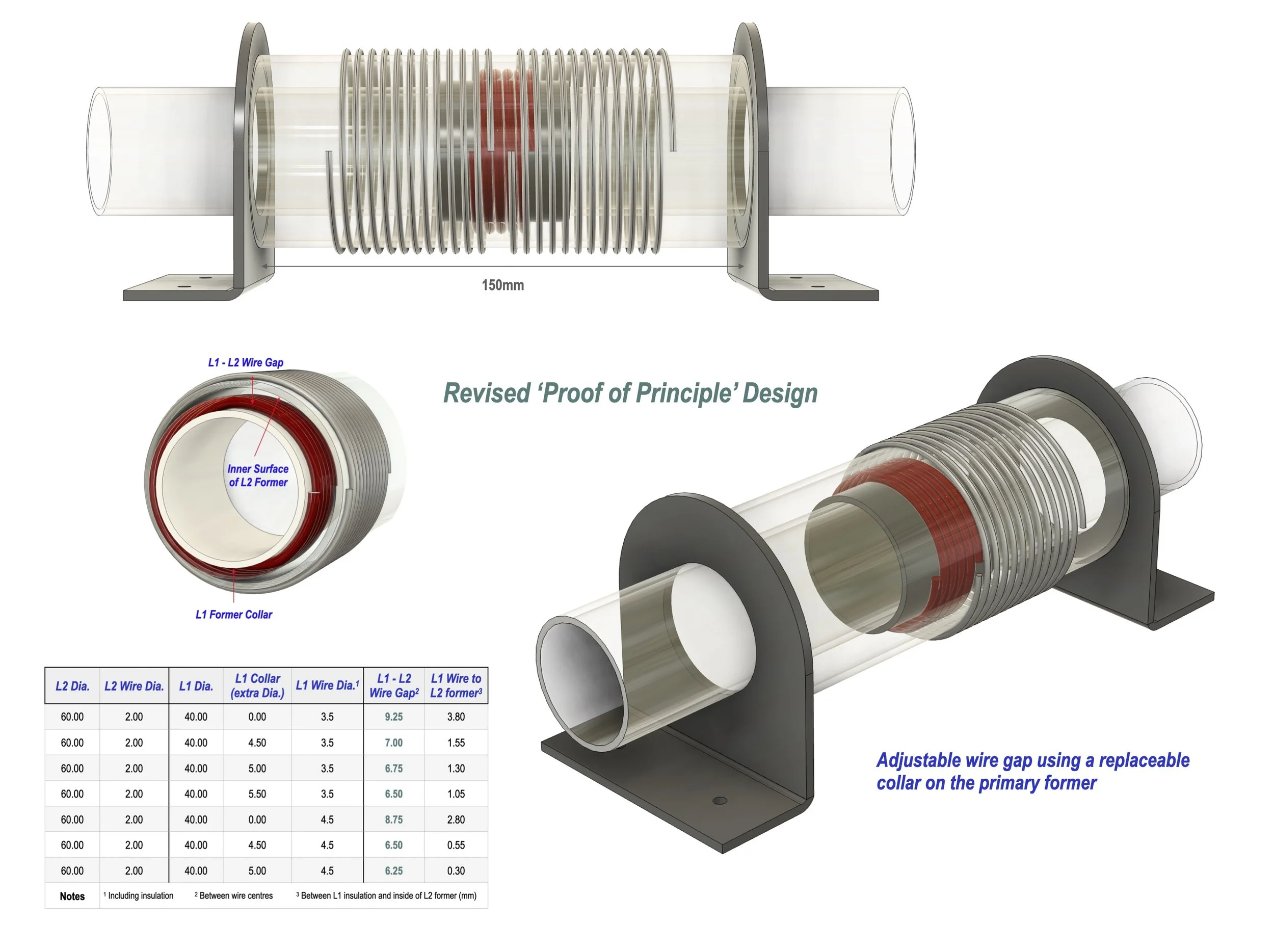
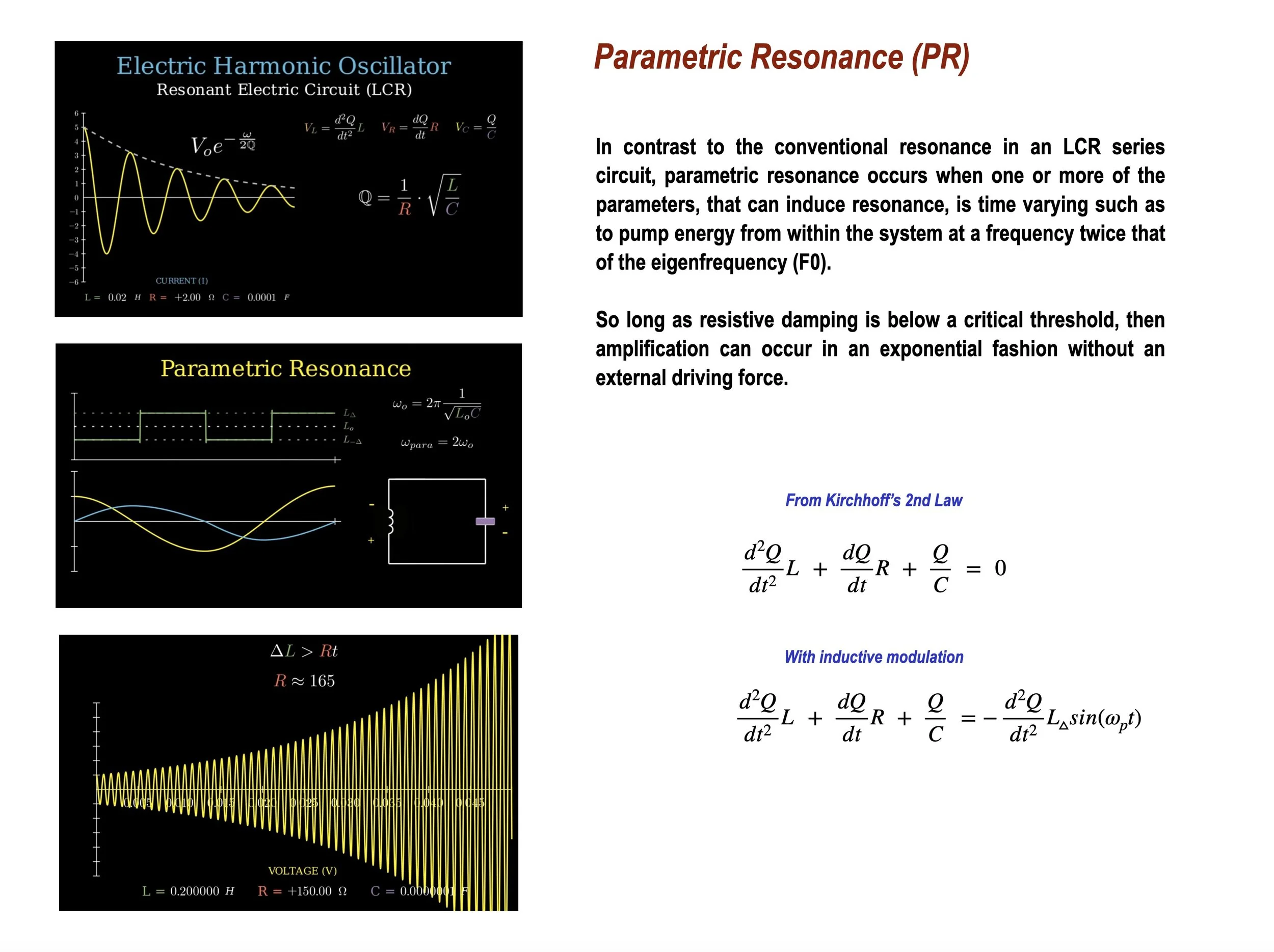
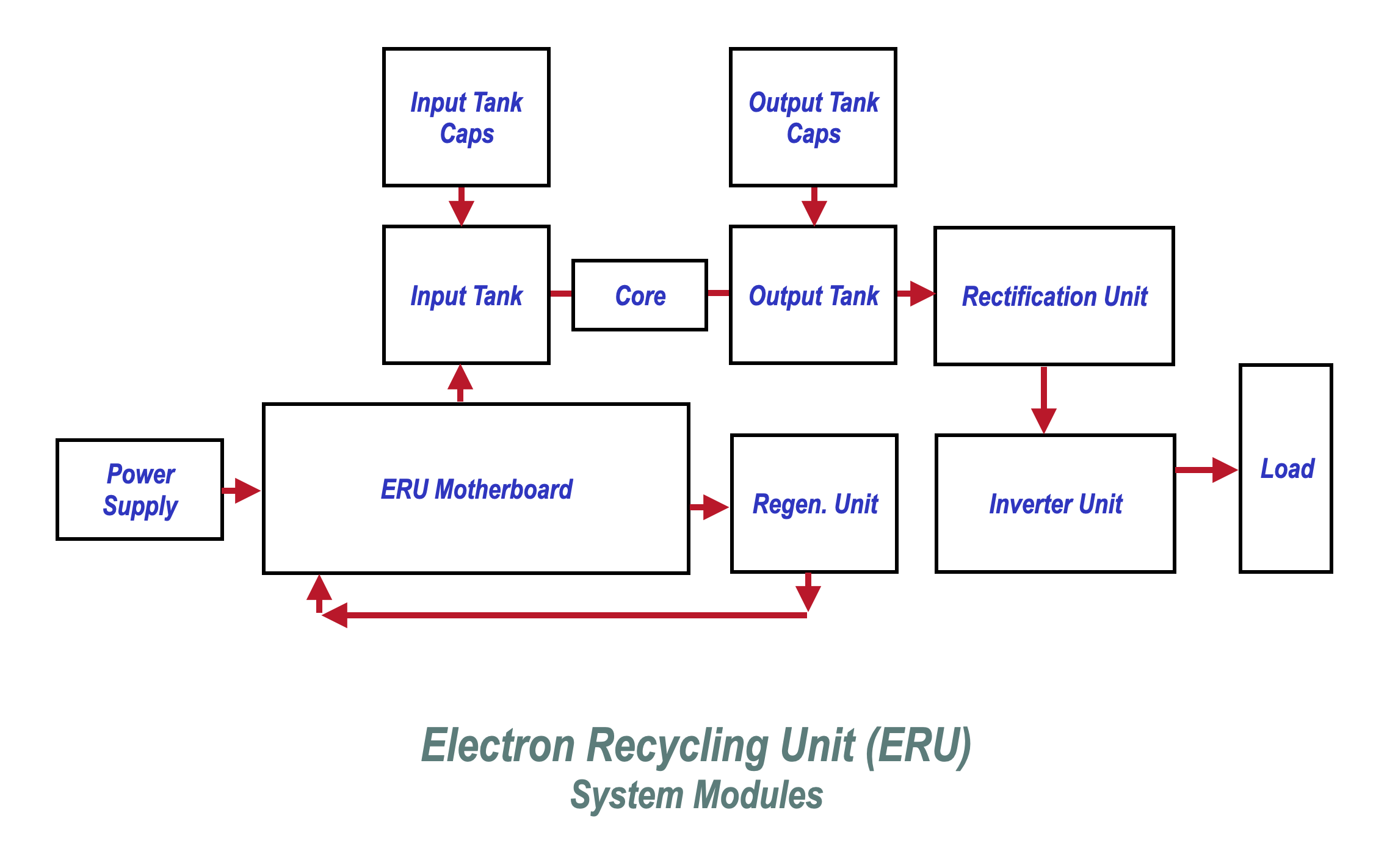
Several approaches are being compared for validity and effectiveness. Firstly, a system devised by the late Don Smith, utilising induced RF standing waves in a secondary coil, supported by Parametric Resonance (PR), to pump electrons from the ground through what is effectively a one way valve to provide current in phase with an amplified voltage. Secondly, one based on a design proposed by Richard McKie in the 1960s, referred to as an Electron Recycling Unit (ERU), which uses orthogonally arranged coils in two resonant tank circuits, in attempting to draw upon the raised reactive potential in the resonant circuits to do useful work.
Proof-of-concept replications are being developed for each system to determine their validity and whether either is based on a real and usable phenomenon or not and, if so, with a measurable and repeatable increase in available energy. If either should prove to be valid, then a determination will be made as to which is more suitable for generating useful output power for wider application and to serve as a demonstration unit. In that case, scientific and technical papers will be produced and published in due course, outlining the main operating principles. If these steps are all successful, then commercial development may follow on the basis that conventional investment would be required to allow for more humanitarian applications and projects to be developed.
Making such information freely available, within the limits governed by the needs of commercial development, is the only sure way to give humanity the tools and choices for energy security and democracy, in a world under increasing threat from diverse causes. Commercial aspects would be managed by other parties better suited to the task, and as part of a gradual shift towards a different economic model of access to energy, one especially suited to those who presently have little or no energy infrastructure.
Progress will be reported on this and linked pages, along with appropriate technical papers and associated materials.
Available materials, including the image galleries, are continuously being updated and are grouped under:
Documents:
1. A report on spark gap configurations can be seen here.
2. An analysis of impedance, reactance and Q factor in a parallel LC circuit is here.
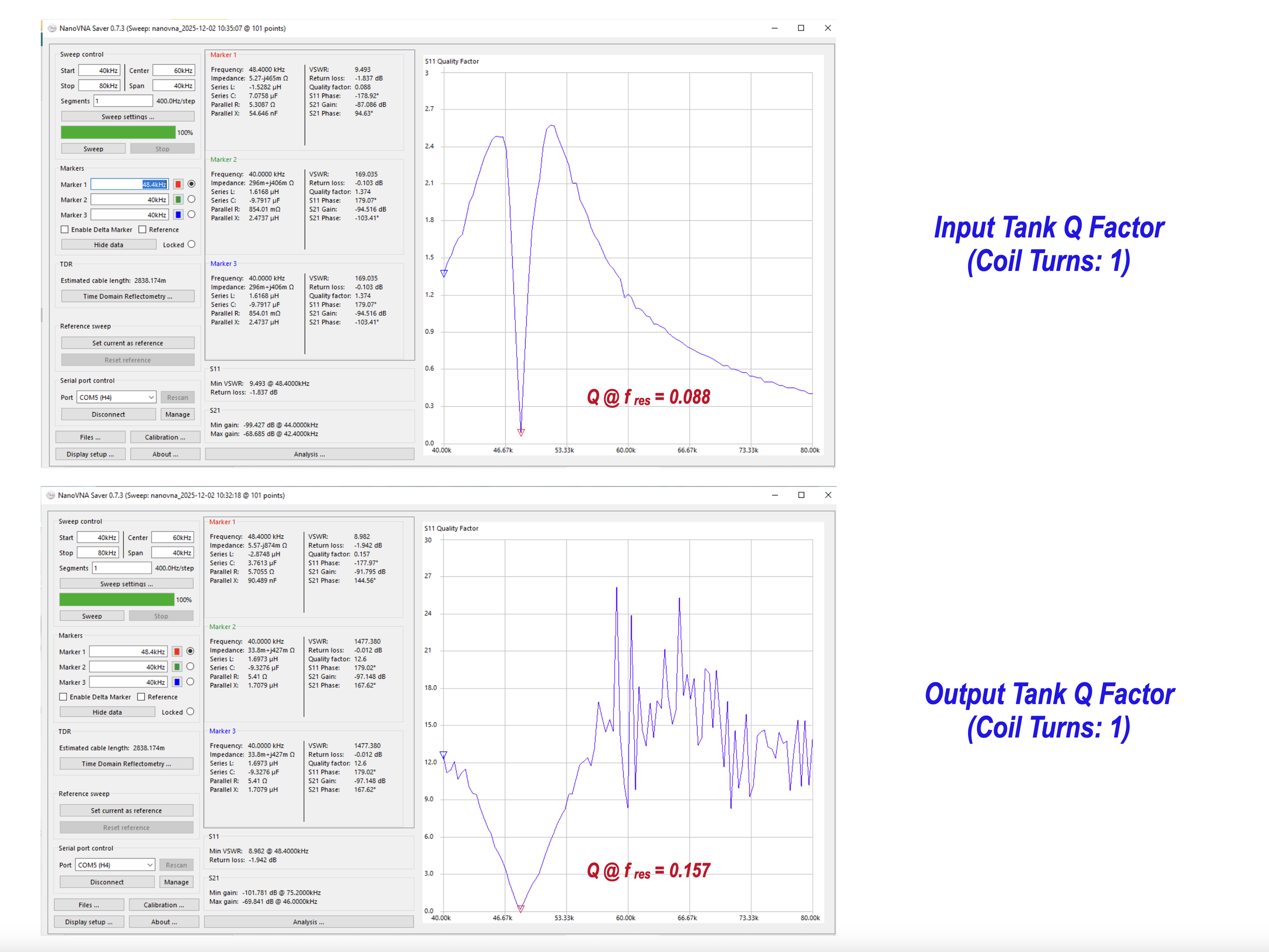
3. A report on the ERU replication attempt, using the key operating principles, is available here.
A video looking at some resonance behaviour is here.
Images:
1. Gallery 5, on the ‘Image Galleries’ page, looking at a DS-type investigation.
2. Gallery 6, on the ‘Image Galleries’ page, showing replication work on the ERU.